 JVP Foods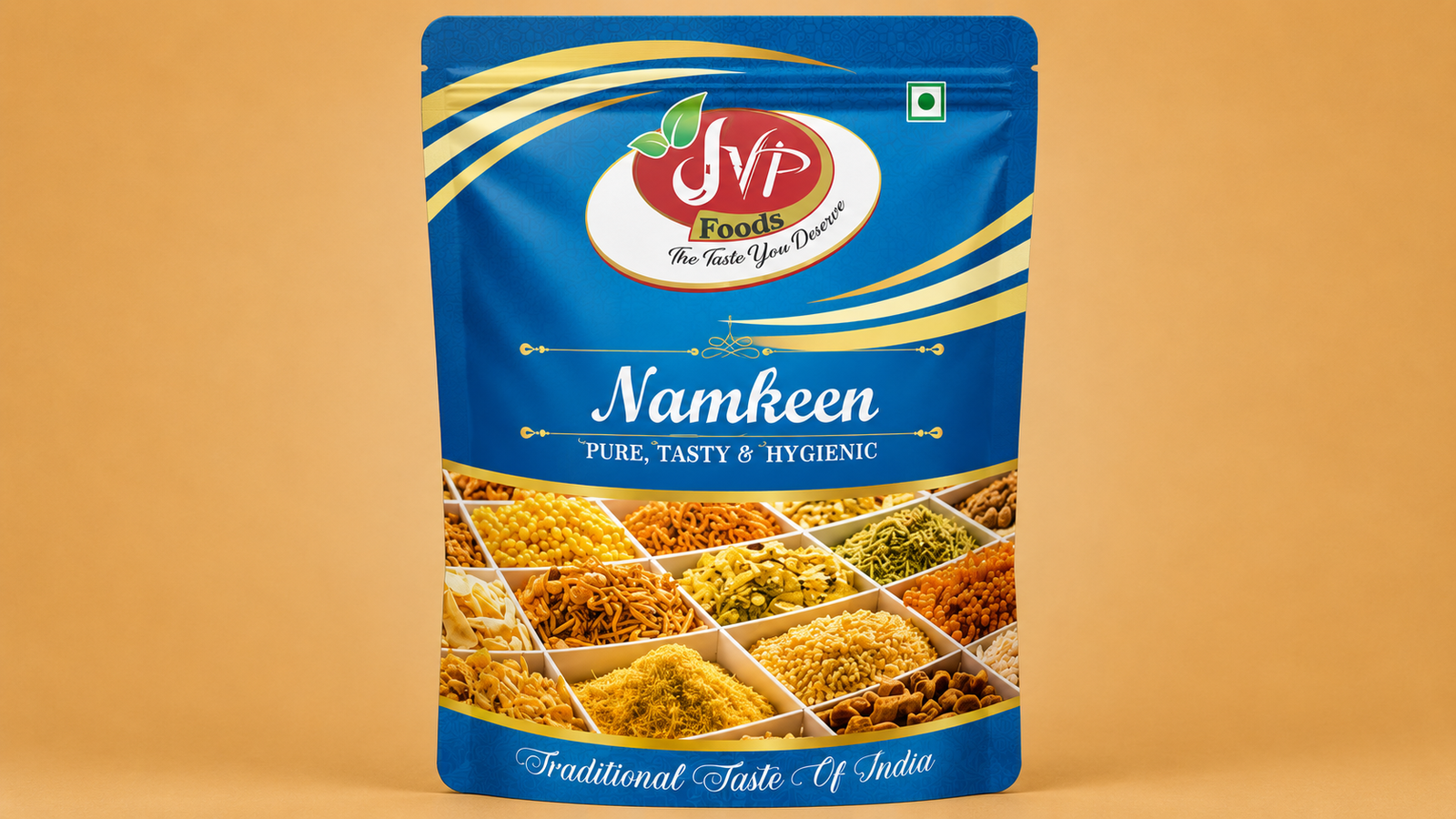
If you've grown up in Mumbai, Pune, Nagpur or Nashik enjoying Maharashtrian farsan like chakli and shev, Gujarati farsan will feel both familiar and refreshingly different. Here's a simple starting guide to help newcomers navigate the world of Gujarati savoury snacks.
What Exactly Is "Farsan"?
In Gujarati, farsan refers broadly to savoury snacks — everything from roasted khakhra to fried sev to mixed namkeen like chevdo. It's less a single dish and more an entire category of tea-time and festive food.
Start Here: Khakhra
Khakhra is the gentlest entry point — a roasted, thin flatbread with a mild flavour profile in varieties like Jeera or Methi. It's crunchy, not spicy, and pairs well with tea, similar to how Maharashtrians might enjoy chakli.
Next Step: Chevdo Mixtures
Once you're comfortable with khakhra, try a mixture like Nadiadi Bhusu Mix or Rajwadi Pauva Chevdo — these combine textures (crunchy sev, flaky rice, roasted nuts) similar to Maharashtrian bhel mixtures, but with distinctly Gujarati seasoning.
For The Adventurous: Sev & Chorafali
Ragi Ratlami Sev and Chorafali Khakhra bring bolder, spicier flavours and unique textures — a good next step once you've developed a taste for Gujarati seasoning styles.
Frequently Asked Questions
What is farsan in Gujarati cuisine?
Farsan is a broad term for savoury Gujarati snacks, including khakhra, sev, chevdo mixtures and fried namkeen, typically eaten as tea-time snacks or festive accompaniments.
Where should a beginner start with Gujarati farsan?
Beginners typically start with khakhra for its mild flavour, then move to milder chevdo mixtures like Rajwadi Pauva Chevdo before trying spicier sev varieties.
Start Your Farsan Journey
Order a variety pack from JVP Foods and explore authentic Gujarati farsan, delivered across Maharashtra.